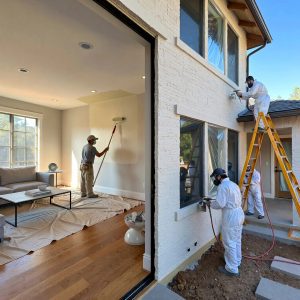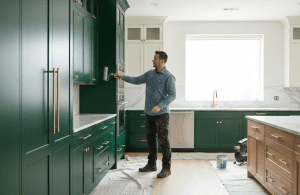
Most people don’t plan an interior paint job months in advance. It usually starts with standing in a room and realizing something feels off. The walls look darker than they used to. Or maybe the color feels heavy now, even though it once felt fine. That moment is usually when interior house painting
From there, questions come quickly. What kind of paint works best? Does every room need the same thing? And then there’s one question that comes up more often than you’d expect: can you use exterior paint indoors?
It sounds logical at first. Exterior paint is tougher, right? So wouldn’t it last longer inside? The answer isn’t as straightforward as people hope.
Interior paint exists for a reason
Interior paint is made for spaces where people live, sleep, cook, and spend long hours. It’s designed to dry in enclosed environments, to release fewer fumes, and to handle everyday contact without becoming harsh or brittle.
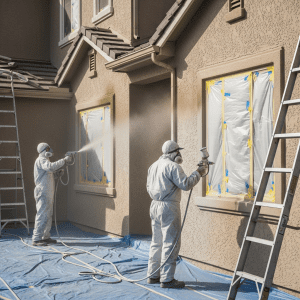
Exterior paint is built differently. It’s made to survive sun, rain, temperature swings, and moisture. That strength comes from additives that don’t behave the same way indoors. In an open outdoor space, those chemicals break down naturally. Inside a home, they tend to linger.
That’s where problems start.
So… using exterior paint indoors?
The technical implementation of exterior paint usage indoors remains permissible. The existing legal framework permits you to complete this task. The two concepts of possible and advisable work as entirely separate entities.
Exterior paint contains mildewcides and other compounds which manufacturers designed for outdoor use. The bedroom and living area spaces of a building experience indoor air contamination through those compounds which remain airborne for longer than expected. Ventilation helps, but it doesn’t solve everything.
The finish exists as another element. Exterior paint achieves a harder drying state. The hardness of the material creates a wall surface that appears to have sharp edges which people cannot touch. Small imperfections become more visible. Light reflects differently, sometimes in ways people don’t expect.
Some homeowners apply exterior paint inside their garages and utility rooms. The paint remains in that area for an extended period. The majority of professionals in the field will not use it in active living spaces.
The experience does not create any feeling of fear. The experience creates an emotional response.
What actually makes indoor painting work
Good indoor painting services aren’t about speed or fancy techniques. They’re about understanding how a room is used. A hallway sees constant movement. A bedroom needs calm. A kitchen deals with moisture and cleaning.
Paint choice, finish, and prep all change depending on that.
This is where a skilled interior painter notices things homeowners often miss. How sunlight shifts across the wall during the day. Where shadows settle. Where walls might show wear faster simply because people lean there or walk past constantly.
Interior paint needs to breathe. Homes warm up, cool down, and shift slightly. Interior formulas are made for that movement. Exterior ones aren’t.
A common misunderstanding about “durability”
There’s an idea that stronger paint is always better. Indoors, that’s not really true.
Durability outside means resisting weather. Durability inside means surviving daily life without making the room uncomfortable. Interior paint is built to balance those needs.
Exterior paint inside can feel like overkill. Harder surface, stronger smell, less forgiving finish. It doesn’t always age well indoors, even if it looks fine at first.
That part surprises people.
Some real tips that actually help
There are endless tips for indoor painting online, but only a few actually matter.
One: always test paint on the wall. Not just once. Look at it in the morning. Then again in the evening. Light changes everything.
Two: prep matters more than color. Clean walls. Fix small flaws. Paint won’t hide poor prep no matter how expensive it is.
Three: don’t rush drying time. This is where many paint jobs quietly fail.
These aren’t exciting tips. They’re just the ones that work.
DIY vs hiring help
Many homeowners debate whether to hire interior painter professionals or do it themselves. Sometimes DIY makes sense. Other times it leads to frustration.
Professionals bring efficiency, yes. But more importantly, they bring judgment. They know when a wall needs extra prep. They know when a finish will feel wrong in a space. They know how to avoid mistakes that only show up weeks later.
A good interior painter also finishes faster, cleaner, and with fewer surprises. That matters more than people think until they’re mid-project.
Back to the exterior paint question
So, can you use exterior paint indoors? In very limited cases, yes. Should it be the default choice? No.
Interior paint exists because indoor spaces need something different. Comfort matters. Air quality matters. How a room feels over time matters.
Exterior paint belongs outside, where it can do the job it was designed for.
Final thoughts
Interior painting requires more than choosing new paint colors. The painting process decides the atmosphere which people experience when they enter a room. The right paint selection together with product application knowledge lets people avoid future painting problems.
People save money and time while avoiding frustration by knowing how to distinguish between interior and exterior paint. Homeowners try to achieve their goals through either do-it-yourself methods or professional indoor painting services.
A room that lacks presence creates a silent atmosphere. The experience creates a sense of perfect harmony.